
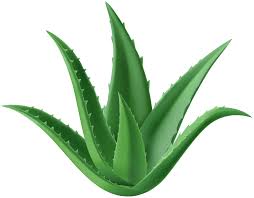
Aloe vera (சோற்றுக்கற்றாழை)
Maintenance Level
Low
Placements
outdoor
Toxic
No
Fragrance
Yes
Seasons
Throughout the year
Plant Height
1ft
Water Frequency
Winter
2 to 3 weeks once
Summer
Every month once
Fertilizer Frequency
Winter
Every week once
Summer
Every month once
*Aloe vera is a natural moisturizer that can help to hydrate the skin. <br> * Aloe vera contains compounds that can help to reduce inflammation. <br> * Aloe vera can help to promote wound healing. <br> * Aloe vera can help to treat digestive problems such as constipation and heartburn.
* Place it in a bright location, but avoid direct sunlight. <br> * letting the soil dry out completely between waterings. <br> * Fertilize sparingly, once or twice a year.
* It can help to hydrate the skin, reduce inflammation, and promote healing. <br> <b> * Burns: <br><br> Aloe vera gel can be applied to minor burns to soothe the skin and reduce pain. <br> <b> * Wound healing: <br><br> Aloe vera may help to speed up the healing of minor cuts, scrapes, and other wounds. <br> <b> * Acne: <br><br> Aloe vera may help to reduce inflammation and redness associated with acne. <br> <b> * Psoriasis: <br><br> Aloe vera may help to soothe the skin and reduce itching <br> <b> * Immune system: <br><br> Aloe vera may help to boost the immune system. <br> <b>* Blood sugar: <br><br> Aloe vera may help to regulate blood sugar levels. <br> <b>* Cholesterol: <br><br> Aloe vera may help to lower cholesterol levels.
Dos
Aloe vera is easy to care for. Water thoroughly only when the soil is completely dry. It prefers bright, indirect light and well-draining soil (cactus/succulent mix is ideal). <br> Fertilize sparingly. Repot every 2-3 years. <br> Watch for pests like mealybugs and aphids. <br> Proper care ensures a healthy plant.
Don'ts
Avoid overwatering (it causes root rot), using regular potting soil (it retains too much moisture), <br> placing it in direct sunlight (it can scorch leaves), over-fertilizing (it needs little feeding), letting it sit in standing water, repotting too often (every 2-3 years is fine), <br> ignoring pests (like mealybugs and aphids), and using harsh chemicals near it.